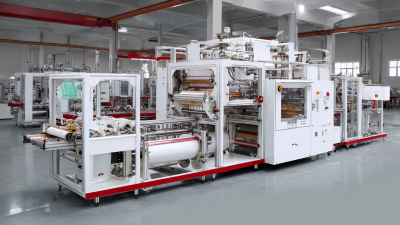
In 2026, pouching machine selection is becoming a practical investment decision, not a simple equipment purchase. Global buyers must compare speed, seal integrity, format flexibility, hygiene design, energy use, and after-sales support. A machine producing 180 pouches per minute may look impressive, yet unstable sealing can quickly erase that advantage.
Smithers’ The Future of Global Flexible Packaging to 2028 identifies continued growth in flexible packaging, supported by convenience foods, medical products, household goods, and e-commerce. PMMI’s recent packaging reports also highlight labor shortages, automation, uptime, and digital monitoring as major purchasing concerns. These pressures are visible on factory floors. Operators need clearer interfaces, faster changeovers, and fewer manual adjustments.
As Alison Keane, President and CEO of the Flexible Packaging Association, has stated, “Flexible packaging is lightweight, durable, and resource efficient.” Her point matters when buyers evaluate material savings and distribution costs. However, sustainability claims require caution. A pouching machine cannot solve poor material choices, excessive downtime, or weak recycling infrastructure by itself.
This guide examines the leading pouching machine types for global buyers in 2026. It considers premade pouch machines, form-fill-seal systems, vertical and horizontal configurations, rotary and intermittent-motion designs, and specialized solutions. No ranking is perfect. The best machine depends on product viscosity, pouch structure, production volume, local service access, and regulatory expectations. Careful testing remains essential, especially when a small seal defect can damage an entire shipment.
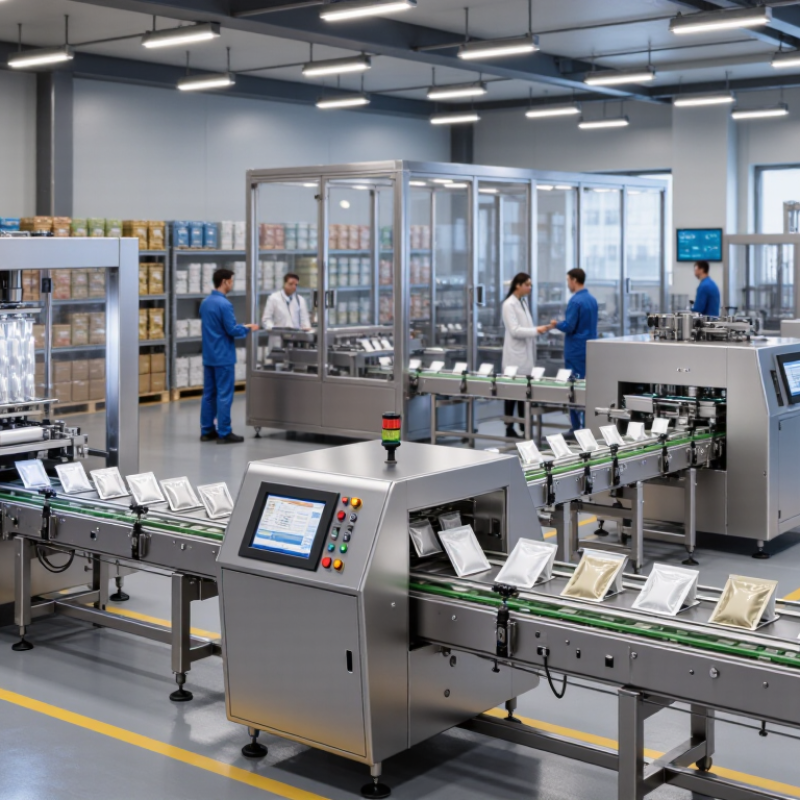
2026 Top Pouching Machine Types for Global Buyers
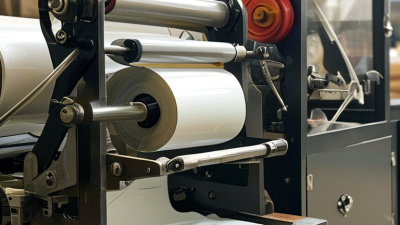
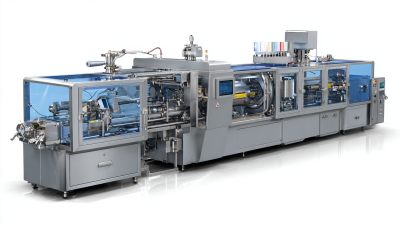
Pouching machines are automated systems that form, fill, and seal flexible packages. Their purpose is simple: deliver consistent products with less manual handling. Common designs include premade-pouch machines and form-fill-seal systems. The first opens prepared pouches, while the second creates bags from roll stock. Both can handle powders, granules, liquids, and selected solid products. In practice, product behavior matters as much as machine speed. Powder may create dust, while liquid can affect seal cleanliness. The process sounds simple, but it is not.
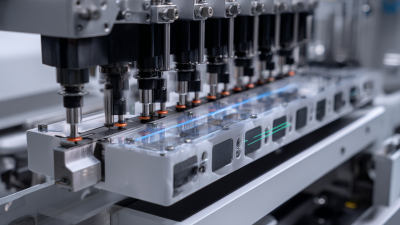
Most machines follow a clear operating sequence. Film or a pouch moves into position, then sensors check alignment and registration. A dosing unit measures the product by volume, weight, or controlled feeding. Heated jaws or ultrasonic tools close the package, creating a sealed edge. Finally, the machine discharges the finished pouch for inspection. Temperature, pressure, dwell time, and film tension must stay balanced. A perfect seal on one material may fail on another. No machine is universally ideal.
Tips: Test real product samples before selecting equipment. Check seal strength, filling accuracy, changeover time, and cleaning access. Ask suppliers for documented performance data, not only impressive speed figures. Operators should also inspect seals during production, because small wrinkles can become major defects. A short trial often reveals problems that specifications miss. That step is easy to overlook.
Pouching machines form, fill, seal, or close flexible packages for products such as food, beverages, powders, liquids, and household goods. The chart shows indicative rated-output ranges in pouches per minute. Actual production depends on pouch size, product characteristics, filling accuracy, sealing method, film structure, automation level, and the number of lanes.
Typical industry ranges: vertical form-fill-seal machines generally support 20–120 pouches/min, horizontal form-fill-seal machines 30–100 pouches/min, premade-pouch rotary machines 20–80 pouches/min, spouted-pouch machines 10–60 pouches/min, and multi-lane stick-pack or sachet machines 200–1,200 pouches/min.
Pouching machines should match the package shape, film structure, and production rhythm. Flexible packaging remains commercially significant. The Flexible Packaging Association’s 2024 industry report estimated U.S. flexible packaging sales at approximately $40 billion in 2023. Grand View Research also forecasts steady global pouch packaging growth through 2030. Demand alone, however, does not justify buying the fastest machine.
Vertical form-fill-seal machines suit powders, granules, snacks, and liquid products. They form bags from a continuous film roll, then fill and seal them. Horizontal form-fill-seal machines work well with solid products, flat sachets, and shaped pouches. They offer cleaner product placement.
Premade pouch machines handle zipper bags, stand-up pouches, and three-side-seal formats. Operators can inspect each pouch before filling. That small step reduces avoidable seal defects.
Stick-pack and sachet machines support narrow, single-dose formats. Spouted pouch machines need accurate fitment insertion and strong sealing pressure. A leaking spout can ruin an otherwise attractive package.
Look for servo-driven dosing, automatic film tracking, seal-temperature control, and checkweighing. Changeover time matters too.
In real plants, product dust appears everywhere. Cleaning can take longer than expected. I would test the machine with actual film, not only sample rolls. A high-speed line is not always the best line. Reliability, material tolerance, and operator training often matter more.
2026 Top Pouching Machine Types for Global Buyers
Matching the machine to the product matters more than chasing maximum speed. For free-flowing snacks, grains, and pet food, vertical form-fill-seal machines suit center-sealed laminated film. Their auger or volumetric fillers must control dust and weight variation. Powders behave differently. Coffee, flour, and nutritional powders often need auger dosing, dust extraction, and stronger seals.
Liquids and sauces usually require piston or pump fillers. A servo-driven horizontal form-fill-seal machine can produce stable pouches from rollstock. However, high-viscosity products may stretch film during filling. Test the sauce at production temperature, not only in a laboratory cup. Premade pouch machines fit stand-up pouches, spouted formats, and products needing premium presentation. They also reduce forming complexity, but pouch loading can limit output.
Material selection should follow barrier, seal, and handling requirements. High-barrier laminates protect oxygen-sensitive products, while polyethylene-rich structures can simplify recycling goals. The Flexible Packaging Association reported approximately 40.8 billion dollars in United States flexible packaging sales in 2023. Smithers estimated the global flexible packaging market near 201.8 billion dollars that year, with further growth expected through 2028. These figures show scale, not automatic suitability. A machine designed for thin film may struggle with heavy laminate, gussets, or recycled-content structures. Seal-jaw pressure, dwell time, and film curl still need trials. Small errors matter. Product trials should measure leak rate, seal strength, fill accuracy, changeover time, and operator effort before purchasing.
| Machine Type | Typical Pouch Format | Best-Matched Products | Compatible Pouch Materials | Typical Production Range | Common Sealing Method | Recommended Buyer Profile | Key Selection Considerations |
|---|---|---|---|---|---|---|---|
| Vertical Form-Fill-Seal (VFFS) | Three-side seal, four-side seal, pillow bag, gusseted bag and block-bottom bag | Rice, grains, snacks, sugar, salt, powders, granules, frozen foods and pet food | PE, PP, BOPP/PE, PET/PE, PET/CPP, laminated aluminum foil and recyclable mono-material films | Approximately 20–120 bags/min | Heat sealing; intermittent or continuous motion | High-volume producers using rollstock film | Choose the dosing system according to product behavior: multihead weigher for free-flowing solids, auger filler for powders, and volumetric cup filler for consistent granules. |
| Horizontal Form-Fill-Seal (HFFS) | Three-side seal, pillow pouch, sachet and shaped pouch | Bars, biscuits, bakery products, confectionery, frozen items, medical products and household goods | OPP/CPP, PET/PE, BOPP/PE, paper-based laminates and high-barrier multilayer films | Approximately 30–180 packs/min | Fin-seal and end-seal heat sealing | Manufacturers handling individually presented or regularly shaped products | Product dimensions, spacing, film stiffness and the required cutting pattern strongly affect the attainable speed. |
| Premade Pouch Filling and Sealing Machine | Flat pouch, stand-up pouch, zipper pouch and side-gusset pouch | Coffee, sauces, powders, snacks, pet treats, cosmetics, detergents and specialty foods | PET/PE, PET/CPP, PET/AL/PE, kraft-paper laminates, PE mono-material and PP mono-material pouches | Approximately 15–80 pouches/min | Heat sealing, with optional zipper opening, nitrogen flushing or vacuum functions | Buyers requiring attractive pouch shapes, printed artwork or frequent product changes | Premade pouches reduce forming complexity but require consistent pouch dimensions, reliable pouch opening and accurate transfer handling. |
| Doypack or Stand-Up Pouch Machine | Stand-up pouch with bottom gusset, zipper or tear notch | Dry foods, pet food, coffee, nuts, confectionery, detergents and liquid products | PET/PE, PET/CPP, PET/AL/PE, PA/PE, PE mono-material, PP mono-material and paper laminates | Approximately 25–70 pouches/min | Heat sealing; optional zipper, spout or corner-cap sealing | Brands and contract packers seeking shelf-ready, resealable packaging | Check pouch stability, zipper or spout compatibility, filling accuracy and the required headspace before selecting the machine. |
| Stick Pack Machine | Long, narrow three-side or four-side seal stick pack | Sugar, coffee, drink powders, electrolytes, seasonings, pharmaceutical powders and nutraceuticals | PET/PE, PET/CPP, paper/PE, PET/AL/PE and other heat-sealable high-barrier laminates | Approximately 30–200 sticks/min per lane | Longitudinal and transverse heat sealing | High-speed producers targeting single-serve portions | Output depends heavily on the number of lanes, powder flowability, dosing accuracy and the film’s sealing temperature window. |
| Sachet Machine | Flat three-side or four-side seal sachet | Ketchup, mayonnaise, shampoo, lotion, wet wipes, instant coffee, spices and pharmaceutical doses | PET/PE, PET/AL/PE, paper/PE, PE-based laminates and high-barrier laminated films | Approximately 40–300 sachets/min, depending on lane count | Heat sealing with tear-notch or easy-open options | Producers requiring low-volume, single-use or trial-size packaging | Liquid products need suitable pumps and anti-drip control; powders require dust management and a filler matched to bulk density. |
| Vacuum Pouch Packaging Machine | Flat vacuum pouch, shrink vacuum pouch or embossed vacuum pouch | Fresh meat, seafood, cheese, processed foods, coffee and products requiring oxygen reduction | PA/PE, PA/CPP, high-barrier PE, EVOH-containing films and shrinkable multilayer films | Approximately 3–30 cycles/min | Vacuum extraction followed by heat sealing | Food processors prioritizing extended shelf life and reduced package volume | Film puncture resistance, residual oxygen level, product temperature and seal contamination are critical performance factors. |
| Spouted Pouch Filling and Capping Machine | Stand-up pouch with top or corner spout and cap | Juice, sauces, baby food, liquid detergents, personal-care products and refill packs | PET/PE, PET/AL/PE, PA/PE, PE mono-material and other liquid-compatible barrier laminates | Approximately 15–70 pouches/min | Spout insertion, heat sealing and cap application | Liquid-product manufacturers seeking lightweight, resealable packaging | Verify liquid viscosity, filling temperature, spout diameter, cap torque, leak-test requirements and pouch drop resistance. |
| Premade Flat-Pouch Machine for Medical and Pharmaceutical Products | Flat pouch, peelable pouch and sterile barrier pouch | Medical devices, diagnostic components, dressings, powders, tablets and small healthcare products | Paper/film, Tyvek-type porous material, PET/PE, PET/CPP and medical-grade high-barrier laminates | Approximately 10–60 pouches/min | Validated heat sealing or peelable sealing | Regulated manufacturers requiring traceability and documented process control | Material compatibility, seal integrity, cleanability, batch coding, validation procedures and applicable regulatory requirements must be assessed. |
| Quad-Seal and Box-Pouch Machine | Four-corner or box-bottom pouch with gussets | Coffee, pet food, premium snacks, grains, powders and large-volume dry goods | PET/PE, PET/AL/PE, BOPP/PE, kraft-paper laminates and recyclable PE-based structures | Approximately 15–60 bags/min | Multiple longitudinal and transverse heat seals | Producers needing strong shelf presentation and efficient use of display space | Gusset forming, bag squareness, seal width, filling weight and the stiffness of the laminate influence final package quality. |
Note: Production figures are typical planning ranges rather than guaranteed outputs. Actual performance depends on pouch dimensions, material structure, filling volume, product characteristics, sealing temperature, lane count, operator skill and the required inspection or coding functions.
Global buyers commonly compare vertical form-fill-seal, premade pouch, and rotary systems. Each type suits different products, pouch formats, and production targets. A vertical machine may reduce packaging costs for powders or granules. Premade pouch equipment can deliver a cleaner appearance for snacks, pet food, and household products. Rotary systems often support flexible pouch sizes and multiple filling stations.
Check sealing performance with the exact film structure, not a general sample. A strong seal is not enough. It should remain stable during transport, storage, and temperature changes. Ask for measured filling accuracy, cycle speed, and rejected pouch rates under realistic conditions. A machine running quickly in a demonstration may perform differently with dusty products or uneven materials.
Changeover time matters. Operators should adjust forming parts, filling settings, and sealing temperatures without excessive tools. Clear controls, guarded moving parts, emergency stops, and easy cleaning support safer daily work. Stainless steel contact areas may help in hygienic applications, while accessible inspection points reduce maintenance delays. Do not overlook compressed-air quality and electrical compatibility at the installation site.
Test difficult materials before signing an agreement. Recycled films, thin laminates, and high-moisture products can expose weaknesses. Remote support sounds useful, but response time and spare-part availability need written confirmation. Some buyers focus heavily on output and later regret ignoring training requirements. I would also question impressive accuracy claims when no long-run production data is available. Real reliability appears after hours of continuous operation.
For 2026, global buyers should compare pouching machines by operating conditions, not speed alone. Vertical form-fill-seal, premade pouch, and horizontal machines suit different products and pouch formats. The International Federation of Robotics reported 541,302 industrial robots were installed worldwide in 2023. That figure supports wider automation, but automation still needs skilled supervision. A fast machine with poor changeover control can become an expensive bottleneck.
Compliance must be designed into the purchase. Buyers should request documented risk assessments, guarding details, electrical schematics, and food-contact declarations. The EU Machinery Regulation 2023/1230 will apply from January 20, 2027, replacing the older machinery directive. Requirements may differ across destinations. Local verification remains necessary. Do not treat a supplier’s certificate as complete legal protection. It is only one piece.
Maintenance determines total ownership more than brochure speed. McKinsey’s predictive-maintenance research indicates that condition-based programs can reduce machine downtime by 30–50% and maintenance costs by 20–30%. In practice, vibration sensors, temperature alerts, and accessible sealing jaws can prevent a small defect from becoming a night shift failure. Spare-part availability matters too. Keep critical heaters, sensors, belts, and sealing components onsite. This costs money upfront. Sometimes, it saves more than expected. However, predictive systems can create false alarms, especially when operators lack training. Buyers should measure energy use, film waste, changeover minutes, service response, and unplanned downtime during factory acceptance testing. Insist on real product trials. Numbers look convincing until the first production run.