How to Optimize Your Filling Line for Maximum Efficiency?
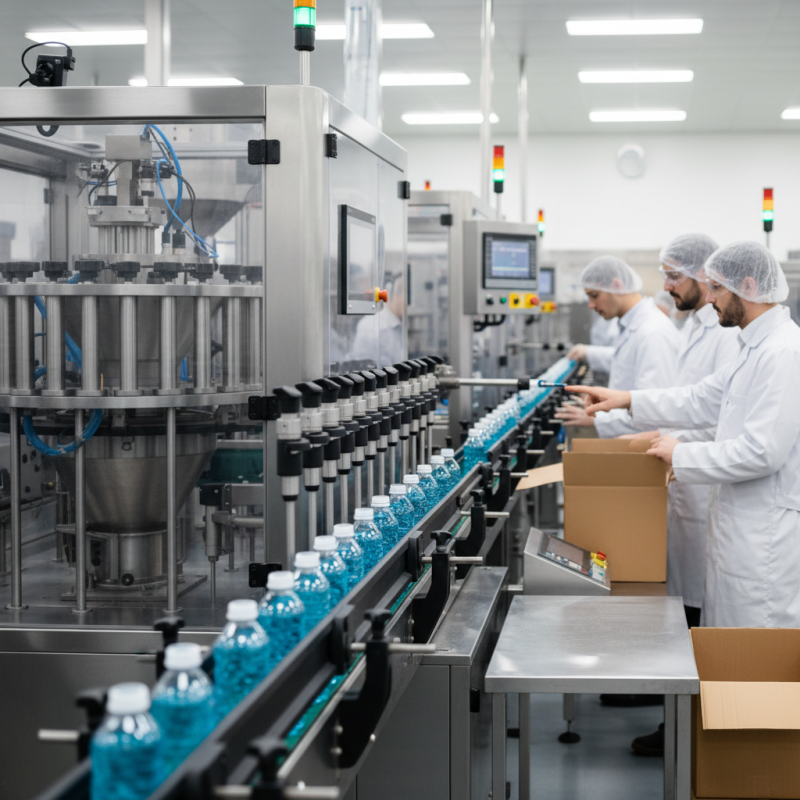
In today’s competitive market, optimizing your filling line is essential. A well-designed filling line enhances productivity and reduces costs. Companies strive for maximum efficiency to meet demand while maintaining quality.
Analyzing each step in your filling line is crucial. Look for bottlenecks that hinder performance. Equipment malfunctions or slow operation can lead to significant delays. Each component needs scrutiny to identify areas for improvement.
Moreover, employee training impacts efficiency. Skilled workers operate equipment effectively and manage the process smoothly. Investing in training pays off. Mistakes occur without proper knowledge. In a world where precision matters, the filling line must operate seamlessly. Continuous reflection and adaptation are necessary for success.
Analyzing Current Filling Line Performance Metrics for Efficiency
Analyzing current filling line performance metrics is crucial for optimizing efficiency. Begin by collecting data on throughput, downtime, and changeover times. These metrics provide insights into operational performance. A filling line that runs at 80% efficiency may seem adequate, but after analysis, you might discover that unplanned downtime is a recurring issue.
Consider the role of worker training in this context. Skilled operators can reduce error rates and boost production speed. It’s important to track how training impacts performance metrics. Regular assessments can highlight gaps in knowledge or skills. Moreover, the layout of your filling line affects flow and efficiency. Are there bottlenecks that slow down production? Reflecting on these details will reveal areas for improvement.
Even with state-of-the-art equipment, human error can still occur. Monitor the frequency of mistakes during the filling process. This data will guide you in creating a more efficient workflow. Automation can help, but it shouldn't completely replace human oversight. Balancing technology with skilled labor is key. Identifying weaknesses is uncomfortable, but it’s an essential step to drive efficiency.
Filling Line Efficiency Metrics
Identifying Bottlenecks in the Filling Process and Their Causes
Identifying bottlenecks in the filling process is essential for optimizing efficiency. According to recent industry reports, around 30% of production downtime is attributed to these bottlenecks. Common sources include machine malfunctions, inadequate staffing, and flawed material handling. Each of these slows down the filling line and impacts overall productivity.
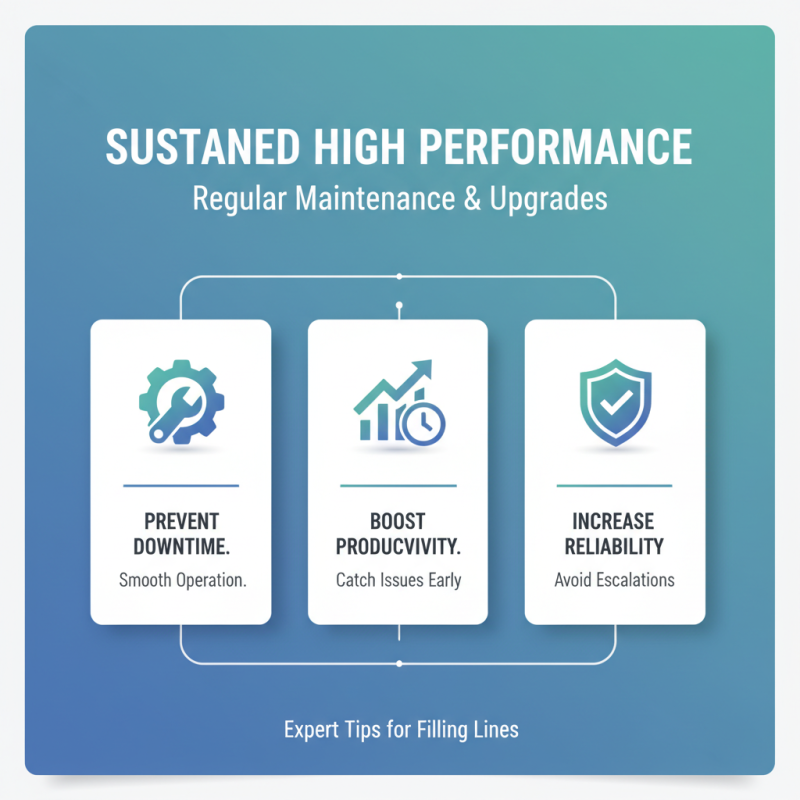
Data from the National Association of Manufacturers indicates that addressing these bottlenecks can increase throughput by as much as 20%. For example, poorly trained operators might take longer to set up machinery, causing delays. Additionally, outdated equipment can lead to frequent breakdowns. Regular maintenance schedules, along with operator training, can significantly reduce these issues.
Another key factor is process flow and layout. If materials are not easily accessible, efficiency can suffer. Studies have shown that a poorly designed filling line can lower output by 15%. Teams should analyze workflows and identify steps that require unnecessary movement. Every step counts, and minimizing waste is critical for optimal performance.
How to Optimize Your Filling Line for Maximum Efficiency?
| Bottleneck Area |
Cause |
Impact on Efficiency |
Potential Solutions |
| Filling Station |
Inconsistent fill levels |
Reduced output and increased waste |
Calibration of filling equipment |
| Packing Area |
Manual packing process |
Slow throughput |
Automation of packing |
| Quality Control |
Insufficient inspection points |
Increased rework and delays |
Implementing additional quality checks |
| Labeling Station |
Frequent printer malfunctions |
Halts in production |
Regular maintenance and upgrades |
| Storage Area |
Limited space |
Inability to stock materials |
Optimizing layout for better space utilization |
Implementing Automation Solutions to Enhance Filling Speed and Accuracy
In today’s fast-paced production environment, optimizing a filling line is crucial. Implementing automation solutions can significantly enhance both filling speed and accuracy. Automated systems streamline processes, reducing manual errors and ensuring consistent output. This can lead to higher satisfaction rates among customers.
Automation technologies include advanced filling machines, sensors, and software. These tools can monitor fill levels and adjust as needed. For instance, a system that detects overfills or underfills instantly can save resources and improve product quality. Although automation reduces some labor costs, it may require initial investments and staff retraining.
However, not every implementation is flawless. Some facilities experience resistance from workers who fear job loss. Others struggle with the complexity of new systems. Therefore, it's vital to approach automation thoughtfully. Regular training and feedback loops can help ease transitions. Gathering insights from employees can lead to more effective solutions that benefit everyone involved.
Training Staff on Best Practices for Operational Efficiency
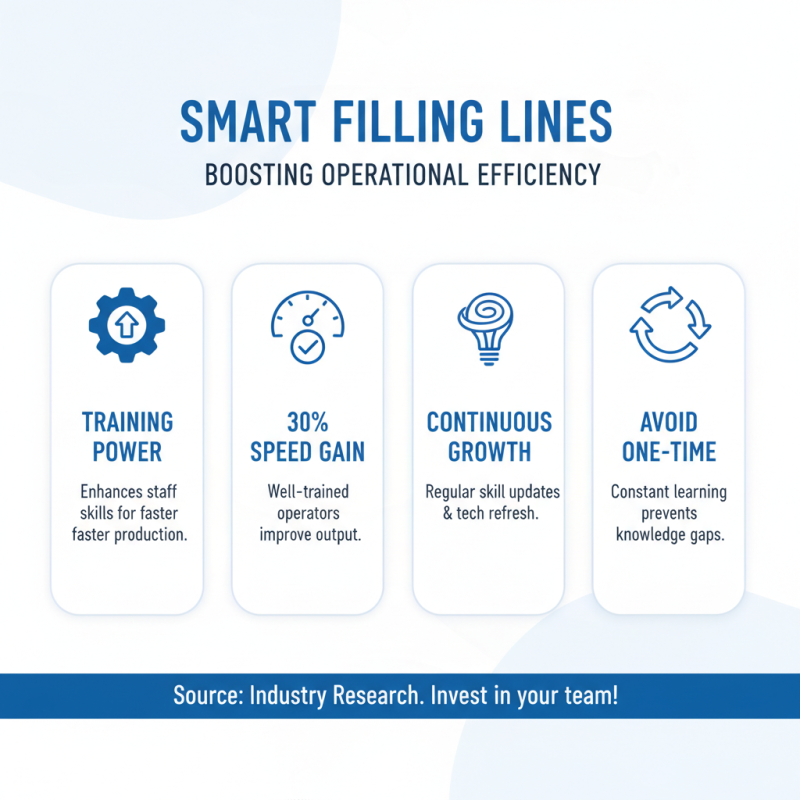
Training staff on best practices can greatly enhance operational efficiency in filling lines. Research shows that well-trained operators can improve production speed by 30%. Yet, many companies overlook this crucial aspect. Continuous training is essential for keeping employees updated with the latest techniques and technologies. A one-time training session is not enough; skills should be refreshed regularly.
Implementing role-playing scenarios can bridge the gap between theory and practice. These exercises allow employees to troubleshoot potential issues in a safe environment. According to industry reports, companies that engage in hands-on training see a 20% reduction in downtime. This is a concrete reason to invest in comprehensive staff training.
Feedback mechanisms are often ignored, yet they are vital for improvement. Regular assessments of staff performance can highlight areas needing attention. By fostering an environment of open communication, employers allow employees to voice their concerns. This practice can lead to innovative solutions and more efficient workflows. Taking the time to refine employee training ultimately enhances the entire filling line process, creating a more effective operation overall.